
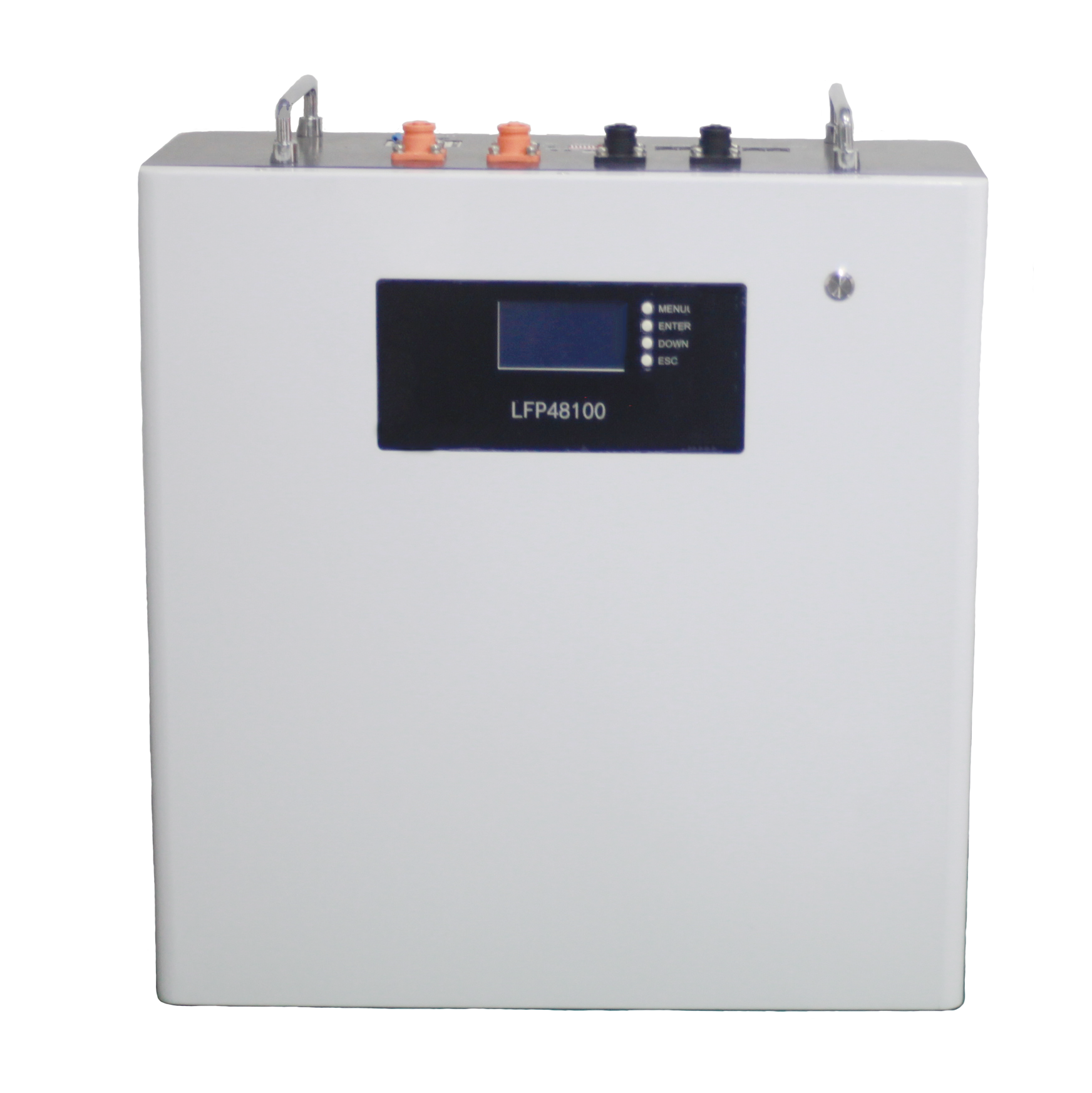
In the rapidly evolving landscape of electrical engineering, circuit breakers stand as critical components ensuring the protection and reliability of electrical systems. These devices prevent damage caused by overloads or short circuits, safeguarding both equipment and human life. As technology progresses and energy demands diversify—especially with the rise of new energy solutions—the variety of breakers available today caters to a wide spectrum of applications and requirements.
**Company Introduction**
Yueqing Chushang Technology Co., Ltd., established in 2009, has emerged as a leading high-tech enterprise specializing in the research and development, production, sales, and service of new energy products. With over a decade of experience in the electrical sector, the company is committed to advancing technologies that meet the highest standards of safety and efficiency. Their expertise encompasses a broad range of innovations in circuit protection, making them a trusted name in the industry.
---
### Types of Breakers: An Overview
Circuit breakers can be broadly categorized based on their construction, applications, and operating principles. Understanding these types is essential for selecting the right breaker to meet specific electrical needs.
#### 1. Miniature Circuit Breakers (MCB)
Miniature Circuit Breakers are one of the most common types used primarily for residential and commercial purposes. They protect electrical circuits from overcurrents caused by overload or short circuits. Designed for low voltage applications, MCBs typically have a rated current of up to 100 Amps.
**Operation:** MCBs operate by sensing the thermal and magnetic effects of current. Under normal conditions, the breaker allows current flow uninterrupted. However, when current exceeds a specific threshold due to overload or short circuit, the breaker trips, disconnecting the circuit.
**Applications:** Ideal for household wiring, small commercial establishments, and lighting circuits.
#### 2. Molded Case Circuit Breakers (MCCB)
MCCBs serve as a higher capacity alternative to MCBs, supporting currents up to 2500 Amps. Featuring adjustable trip settings, they provide broader protection and flexibility.
**Operation:** Incorporating thermal and magnetic trip mechanisms, MCCBs protect against prolonged overloads and instantaneous short circuit currents. Their adjustable nature allows customization according to system requirements.
**Applications:** Useful in industrial plants, large commercial buildings, and electrical panels with higher current ratings.
#### 3. Air Circuit Breakers (ACB)
Air Circuit Breakers are designed for high voltage applications and are commonly found in large electrical systems. They employ air as the arc extinguishing medium.
**Operation:** When a fault current occurs, the breaker trips mechanically, separating the contacts, and an air blast or magnetic blowout extinguishes the arc generated by the circuit interruption.
**Applications:** Used in power distribution panels, electrical substations, and generator sets.
#### 4. Vacuum Circuit Breakers (VCB)
Vacuum Circuit Breakers utilize a vacuum environment for arc quenching, making them highly efficient and low maintenance.
**Operation:** Upon contact separation, the arc is extinguished rapidly due to the absence of gas or air, resulting in minimal contact erosion.
**Applications:** Ideal for medium voltage systems, industrial plants, and renewable energy integration setups.
#### 5. SF6 Circuit Breakers
These breakers use sulfur hexafluoride gas, a highly effective insulating and arc-quenching agent.
**Operation:** The gas interrupts the arc by surrounding the contacts, cooling and de-ionizing the arc plasma swiftly.
**Applications:** Widely used in high-voltage transmission substations and switchgear assemblies.
---
### Advances in Breaker Technology and New Energy
With the increasing adoption of renewable energy sources such as solar and wind, the electrical infrastructure demands robust, reliable, and intelligent protection devices. Breakers have evolved to support these new energy paradigms. Modern breakers often feature smart sensors, remote operation capabilities, and integration with energy management systems.
Yueqing Chushang Technology Co., Ltd. has been at the forefront of these advancements, integrating cutting-edge technologies into their product lineup. By focusing on research and development, the company ensures that their breakers not only meet traditional safety standards but also fulfill the rigorous demands of emerging energy sectors.
---
### Selecting the Right Breaker
Choosing the appropriate breaker depends on several factors including voltage level, current rating, environmental conditions, and nature of the load (resistive, inductive, or capacitive). It’s crucial to collaborate with experienced manufacturers and suppliers who understand these intricacies and can offer tailored solutions.
---
### Conclusion
Circuit breakers are indispensable in maintaining electrical safety, reliability, and operational continuity across diverse applications. From homes to industrial complexes and new energy installations, a clear understanding of breaker types ensures optimal protection and performance.
Yueqing Chushang Technology Co., Ltd. continues to lead innovation in this domain, combining in-depth research, quality manufacturing, and comprehensive service. As the move toward sustainable energy accelerates, their commitment to developing advanced circuit protection devices will play a pivotal role in powering the future safely and efficiently.
---
**For more information on different types of breakers and innovative electrical solutions, contact Yueqing Chushang Technology Co., Ltd., your reliable partner in new energy technology.**